CONMAC Vietnam 2026: FairTradeMachinery on Vietnam's Construction Equipment Market
QUICK ANSWER
FairTradeMachinery attended CONMAC Vietnam 2026 in Hanoi from 11 to 13 November 2026 at the organisers' invitation. Chinese machinery manufacturers and Vietnamese contractors, dealers and component suppliers made up the largest groups on the exhibition floor. Our delegation held in-depth discussions with key partners and received a substantial number of new buying enquiries for used excavators, truck cranes and earthmoving equipment. This report sets out the current state of Vietnam's construction equipment market, the outlook to 2030, and what those enquiries reveal about real demand.
Key takeaways
- CONMAC Vietnam 2026 ran 11–13 November at the Vietnam Exhibition Center in Hanoi, alongside rail and transport infrastructure exhibitions.
- Vietnam's construction output grew 12.22% year on year in the first nine months of 2026; registered FDI reached USD 50.36 billion, up 76.4%.
- Mordor Intelligence values the Vietnam construction equipment market at USD 1.04 billion in 2026 and forecasts USD 2.00 billion by 2032 (11.47% CAGR, 2027–2032).
- Demand is shifting from earthmoving toward piling, lifting and road equipment as projects move into structural phases.
- Buyers we met prioritise parts availability, verified condition and total cost of ownership over brand badge, which favours quality used machines.
HANOI, Vietnam — FairTradeMachinery attended CONMAC Vietnam 2026, the international exhibition for construction machinery, mining machinery, commercial vehicles and spare parts, held from 11 to 13 November 2026 at the Vietnam Exhibition Center (VEC) in Dong Anh, Hanoi. Invited by the organisers, our delegation spent three days on the exhibition floor, in partner meetings and at technical sessions where Chinese and Vietnamese companies were the most visible participants.
The visit formed part of a wider 10–16 November 2026 Vietnam market study, during which the team held more than 20 face-to-face meetings with equipment platforms, used machinery dealers and crane rental companies in Hanoi, Hai Phong, Da Nang and Ho Chi Minh City, as reported in our 7-day Vietnam used machinery market study. Together, the two accounts describe both the public side of the market — the exhibition and the project pipeline — and the practical side: what contractors actually order, and what stops them from ordering.
Vietnam matters to used-equipment buyers because it is one of Southeast Asia's fastest-growing construction markets, relies heavily on imported machines, and has a large population of contractors and rental fleets that need capacity faster than new-machine lead times allow. Below is what we saw, what the published data says, and what buyers asked us for.
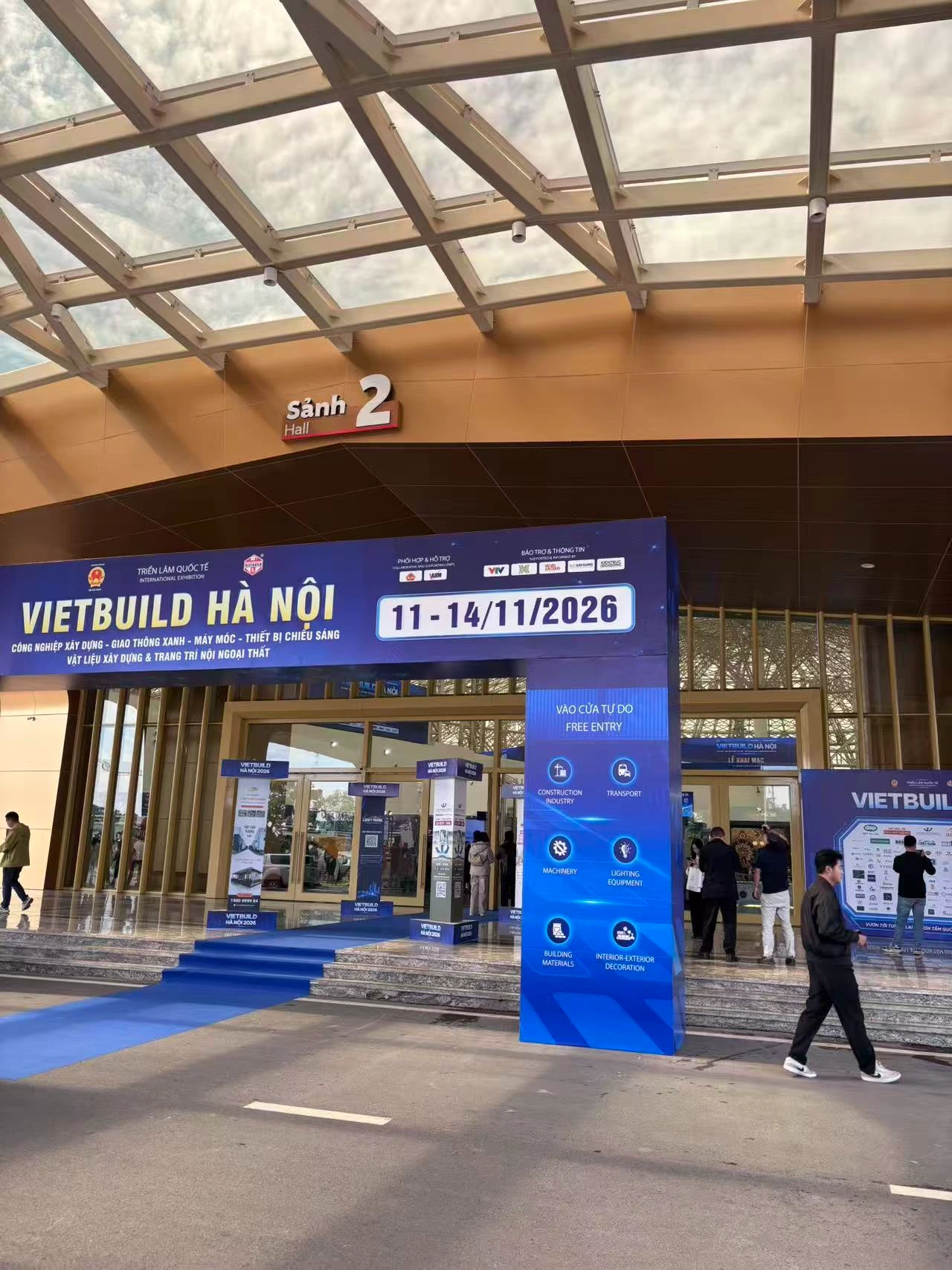
FairTradeMachinery delegation at CONMAC Vietnam 2026, Hanoi, November 2026. Suggested alt text: "FairTradeMachinery delegation at CONMAC Vietnam 2026 in Hanoi, November 2026".CONMAC Vietnam 2026: key facts at a glance
Item | Detail |
|---|---|
Full event name | CONMAC Vietnam 2026 — International Exhibition on Construction Machinery, Mining Machinery, Commercial Vehicles & Spare Parts |
Dates | 11–13 November 2026 |
Venue | Vietnam Exhibition Center (VEC), Dong Anh, Hanoi, Vietnam |
Organisers | Vietnam Ministry of Construction and its Information Centre; developed from the Vietbuild exhibition platform |
Scale | 12,000 m² of exhibition space, around 15,000 trade visitors; exhibitor estimates range from 350 to 600 across organiser and agency listings |
Product scope | Excavating, road, lifting, piling, concrete, mining and crushing equipment; commercial vehicles and heavy trucks; hydraulic and transmission components; rental, inspection and aftermarket services |
Concurrent events | Rail, urban transport and transport infrastructure exhibitions, Vietbuild, technical conferences and business-matching sessions |
FairTradeMachinery | Attended at the organisers' invitation; partner discussions and new equipment enquiries for used excavators, truck cranes, wheel loaders, motor graders and drilling rigs |
Exhibition figures are organiser and agency pre-show estimates, not audited post-show counts. Exhibitor totals differ between published listings.
What We Saw on the Exhibition Floor in Hanoi
Three impressions stood out. First, the show was genuinely a supply-chain event rather than a display of finished machines only: parts, hydraulic systems, undercarriage components and service providers occupied a significant share of the floor. Second, the co-located railway and urban transport exhibitions drew the same contractor audience, so conversations moved naturally from earthworks to piling, lifting and road equipment. Third, a large share of the visitor traffic consisted of Vietnamese contractors, equipment dealers and rental companies with specific, near-term machine requirements rather than general enquiries.
Chinese exhibitors were prominent across excavators, loaders, cranes, crushing equipment, commercial vehicles and components. Vietnamese participants were equally visible on the demand and channel side: construction contractors, steel and industrial groups, transport and infrastructure companies, local equipment distributors, rental operators and parts dealers. Japanese, Korean and European brands were also represented, which is consistent with Vietnam's long-standing reliance on imported equipment from several origins.
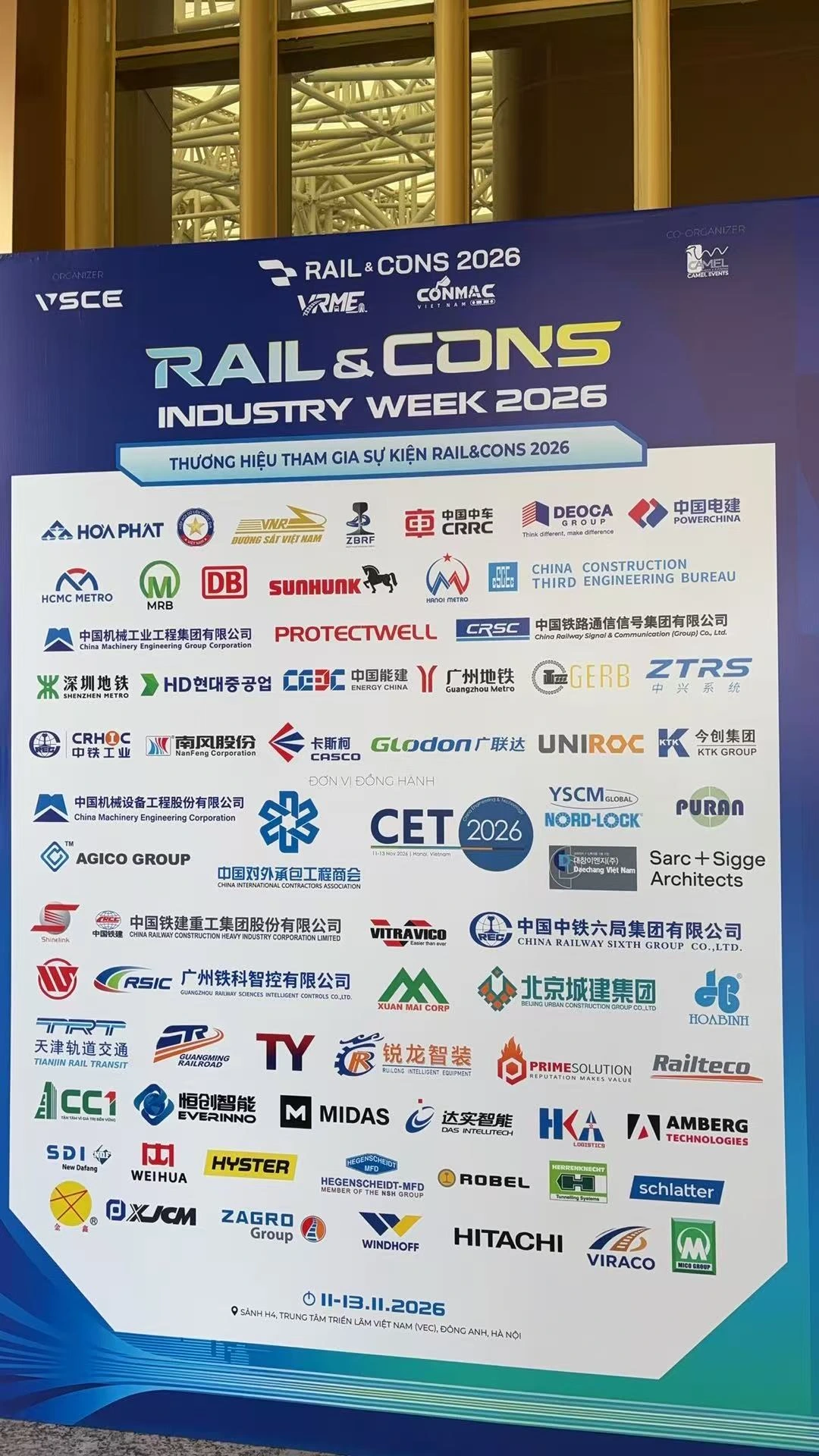
Exhibition floor at CONMAC Vietnam 2026, Vietnam Exhibition Center, Hanoi, November 2026. Suggested alt text: "Construction machinery and commercial vehicle exhibitors at CONMAC Vietnam 2026 in Hanoi".Why Chinese and Vietnamese Companies Dominated the Floor
The concentration of Chinese suppliers and Vietnamese buyers is structural, not incidental. China is Vietnam's nearest large machinery supply base: complete machines, used units and wear parts can move overland through Guangxi border crossings in days, while sea freight to Hai Phong or Ho Chi Minh City handles larger volumes. Trade frameworks including the ASEAN–China Free Trade Area and RCEP reduce tariff friction on qualifying origin goods, and a mature refurbishment and parts industry in China supports the lower total cost that Vietnamese contractors increasingly prioritise.
On the Vietnamese side, the project pipeline has created a dense ecosystem of contractors, subcontractors, equipment rental fleets and dealer networks. Industrial park construction driven by foreign direct investment adds a second, parallel source of demand for site preparation, foundations, lifting and materials handling. The result is a market where Chinese supply and Vietnamese demand meet directly, with local distributors and service workshops becoming the decisive link.
Quotable fact: Vietnam's construction output grew 12.22% year on year in the first nine months of 2026, while the industry-and-construction sector grew 11.21%, according to Vietnam's National Statistics Office.
For used machinery specifically, this matters because competition is no longer decided by the badge on the machine. In our November 2026 dealer and rental meetings, buyers repeatedly ranked purchase price, verified condition, spare parts availability in-country and delivery time ahead of brand preference — criteria on which well-documented used machines compete strongly with new units.
Vietnam's Construction Equipment Market in 2026: The Current Picture
1. Demand is being driven by public investment, FDI and a record project pipeline
Official statistics show an unusually strong construction cycle. In the first nine months of 2026, Vietnam's GDP grew 9.01% year on year; construction grew 12.22%; total disbursed investment reached VND 3,109.6 trillion, up 15.1%; and registered FDI reached USD 50.36 billion, up 76.4%, with USD 21.07 billion disbursed — the highest nine-month figure in five years (Vietnam National Statistics Office, November 2026).
The Ministry of Construction received an allocation of more than VND 133 trillion for 2026, with a requirement to disburse it in full during the year, and the policy focus has widened from expressways to railways and urban infrastructure. Ahead of 2026, 234 key infrastructure projects were launched or inaugurated nationwide with combined investment of over VND 3.4 quadrillion (about USD 135 billion), of which private capital accounts for roughly 82%.
2. The market is growing from a relatively small base
Quotable fact: Mordor Intelligence valued the Vietnam construction equipment market at USD 1.04 billion in 2026 and forecasts growth from USD 1.16 billion in 2027 to USD 2.00 billion by 2032 — a CAGR of 11.47% over 2027–2032 (report published 2 November 2026).
An 11.47% CAGR is high by regional standards, but the absolute market remains modest relative to the project pipeline. That gap is one reason imported and used equipment plays an outsized role: contractors need to add fleet capacity faster than domestic supply or new-machine budgets allow.
3. Vietnam depends on imported machines, and on parts availability
Vietnam sources construction equipment primarily from Japan, China, South Korea and Europe. Mordor Intelligence identifies public infrastructure and transport investment and manufacturing FDI with industrial-park expansion as the two principal demand drivers, and notes that currency movements can raise local-currency equipment costs for contractors on fixed-price contracts. That cost pressure strengthens the case for used imports and for suppliers able to offer flexible payment and local parts support.
The equipment mix reflects the project stage: excavators, bulldozers, wheel loaders and compactors for earthworks and site preparation; drilling and piling rigs for foundations; truck cranes, crawler cranes and concrete equipment for structures; and pavers, rollers and graders as road packages close out. Mining, quarrying and aggregates production add demand for drilling rigs and crushing and screening plants.
4. Import rules for used machinery have recently been clarified
Vietnam's Circular 56/2026/TT-BKHCN took effect on 5 September 2026 and revises the rules for used machinery, equipment and technology lines under HS Chapters 84 and 85 imported for production in Vietnam. The general age limit is no more than 10 years, calculated as the import year minus the year of manufacture, and machines must meet applicable QCVN requirements on safety, energy efficiency and environmental protection. Where no QCVN applies, TCVN or G7 / South Korean standards are referenced. A limited exemption allows manufacturers already operating in Vietnam to apply for an import permit for older machines if remaining performance is at least 85% of design and material or energy consumption does not exceed design levels by more than 15%, subject to certified inspection.
This is a summary, not legal advice. Classification, age limits and required certificates vary by machine type and are updated regularly; buyers should confirm the current HS classification and pre-shipment inspection requirements with a licensed Vietnamese customs broker before placing a deposit.
5. Buyer behaviour favours verified, ready-to-work used machines
Our November 2026 field meetings showed Vietnamese rental fleets running at high utilisation and buying used equipment rather than waiting 10–14 months for new units. The most frequently requested categories were 20–35 tonne crawler excavators, 5–15 tonne wheel excavators, 25–50 tonne truck cranes, 50–150 tonne crawler cranes, wheel loaders and motor graders. Dealers commonly worked to an ex-works budget of USD 15,000–60,000 per unit, and consistently identified paperwork — duty classification, certificate of origin and pre-shipment inspection — as the real bottleneck rather than engine hours.
Vietnam Construction Equipment Outlook: What Changes Through 2030
From earthmoving to lifting, piling and road equipment
More than 3,000 km of the North–South Expressway had been connected by 2026, against a national target of 5,000 km of expressways by 2030. Rail and urban transport are now absorbing a larger share of investment: the Lao Cai–Hanoi–Haiphong standard-gauge railway, Hanoi metro lines, Long Thanh International Airport and port and industrial-park packages all move through phases that require piling rigs, cranes, concrete equipment and road machinery after the initial earthworks. For buyers, the practical implication is that crane and lifting capacity tends to tighten — and get more expensive — once a project moves from earthworks to structures.
Rental fleets, used imports and local parts will absorb more of the growth
Three structural trends are likely to shape the market to 2030. First, rental companies will keep buying used machines to shorten fleet expansion time. Second, tighter technical, safety and emissions requirements will favour machines with verifiable service history and compliant specifications, and will accelerate retirement of the oldest, highest-emitting units. Third, after-sales capability — spare parts stocked in Vietnam, inspection records, operator training and field service near active construction corridors — will increasingly determine which suppliers win repeat orders. Mordor Intelligence lists skilled-operator shortages and high machine utilisation risk among the market's restraints, which reinforces the value of dependable, easy-to-maintain equipment.
What could slow the market down
A credible outlook has to include the constraints. Vietnam's Ministry of Finance reported that by the end of June 2026, nationwide public investment disbursement had reached 35.5% of the annual target, while the North–South High-Speed Railway project had disbursed only about 2% of its 2026 allocation. Land clearance, construction material shortages and prices, contractor capacity, project preparation and financing arrangements all affect when a planned project turns into an equipment order. Currency movements affect the landed cost of imported machines. In short, the project pipeline is large, but the timing of demand is uneven — a reason to buy against confirmed project phases rather than against headline investment totals.
"The market is not short of projects. It is short of machines that arrive on time, in verifiable condition, at a price that still leaves the contractor a margin." — FairTradeMachinery delegation field note, Vietnam, November 2026
Partner Discussions: What FairTradeMachinery Worked Through in Hanoi
The exhibition gave us concentrated time with several important partners, including Vietnamese used-equipment dealers, local machinery platforms, rental-fleet operators and long-standing supply-chain counterparts. The discussions went well beyond a courtesy meeting. Four topics dominated:
- Inventory and inspection transparency. Partners want machine-level data — year of manufacture, hours, undercarriage condition, hydraulic pump and load-chart evidence — shared before any deposit is taken, ideally through consignment or API-level inventory sharing rather than one-off listings.
- Import documentation and compliance. Age limits, HS classification, certificate of origin, pre-shipment inspection and bilingual specification sheets were reviewed against the rules effective from September 2026, because a machine that cannot clear customs is not a bargain.
- Parts and after-sales coverage. A recurring request was for wear parts stocked locally in Vietnam instead of shipped per order. This aligns with the 1-year warranty on core components that now accompanies every purchase.
- Joint buyer tours and fleet purchasing. Partners proposed small-group inspection trips to Chinese equipment yards, following the format used with buyers from Ethiopia and Pakistan earlier in 2026, with bulk terms for fleet buyers and authorised dealers.
These are cooperation discussions and intentions, not completed transactions. As with the wider market study, we are keeping the pace deliberate: in cross-border used equipment, the quality of a partnership is decided in the first six months of machine operation, not at the meeting table.

In-depth discussions with Vietnamese equipment partners in Hanoi, November 2026. Suggested alt text: "FairTradeMachinery team in discussion with Vietnamese used equipment partners at CONMAC Vietnam 2026".New Equipment Enquiries: What Buyers Asked Us For
Alongside partner meetings, the delegation recorded a substantial number of new equipment enquiries from contractors, rental companies and dealers visiting the Hanoi show. The requirements were notably specific, which suggests real projects behind them rather than speculative shopping.
Used construction equipment enquiries recorded at CONMAC Vietnam 2026
Category | Typical requirement | What buyers emphasised |
|---|---|---|
Crawler excavators | 20–35 tonne class | Low hours, undercarriage evidence, parts commonality, ex-works USD 15,000–60,000 |
Wheel excavators | 5–15 tonne class for urban utility work | Manoeuvrability, transport permits, quick delivery |
Truck cranes | 25–50 tonne | Verifiable load charts, inspection reports, in-country parts support |
Crawler cranes | 50–150 tonne | Certificates, service history, availability ahead of structural works |
Earthmoving & road | Wheel loaders, motor graders, road rollers | Fleet pricing, matched condition across multiple units |
Drilling & crushing | Drill rigs, crushing and screening plants | Application fit, wear-part supply, refurbishment records |
Documentation | Certificate of origin, inspection report, export and customs paperwork | Bilingual specs, age compliance, clear duty classification |
FairTradeMachinery currently lists more than 10,000 used excavators alongside cranes, loaders, drill rigs and crushers from Caterpillar, Komatsu, Hitachi, Sany, Doosan, Hyundai, Volvo, JCB, XCMG and SDLG, backed by verified seller profiles and inspection support. Enquiries from the show are being matched against that inventory and against the compliance requirements of each destination.
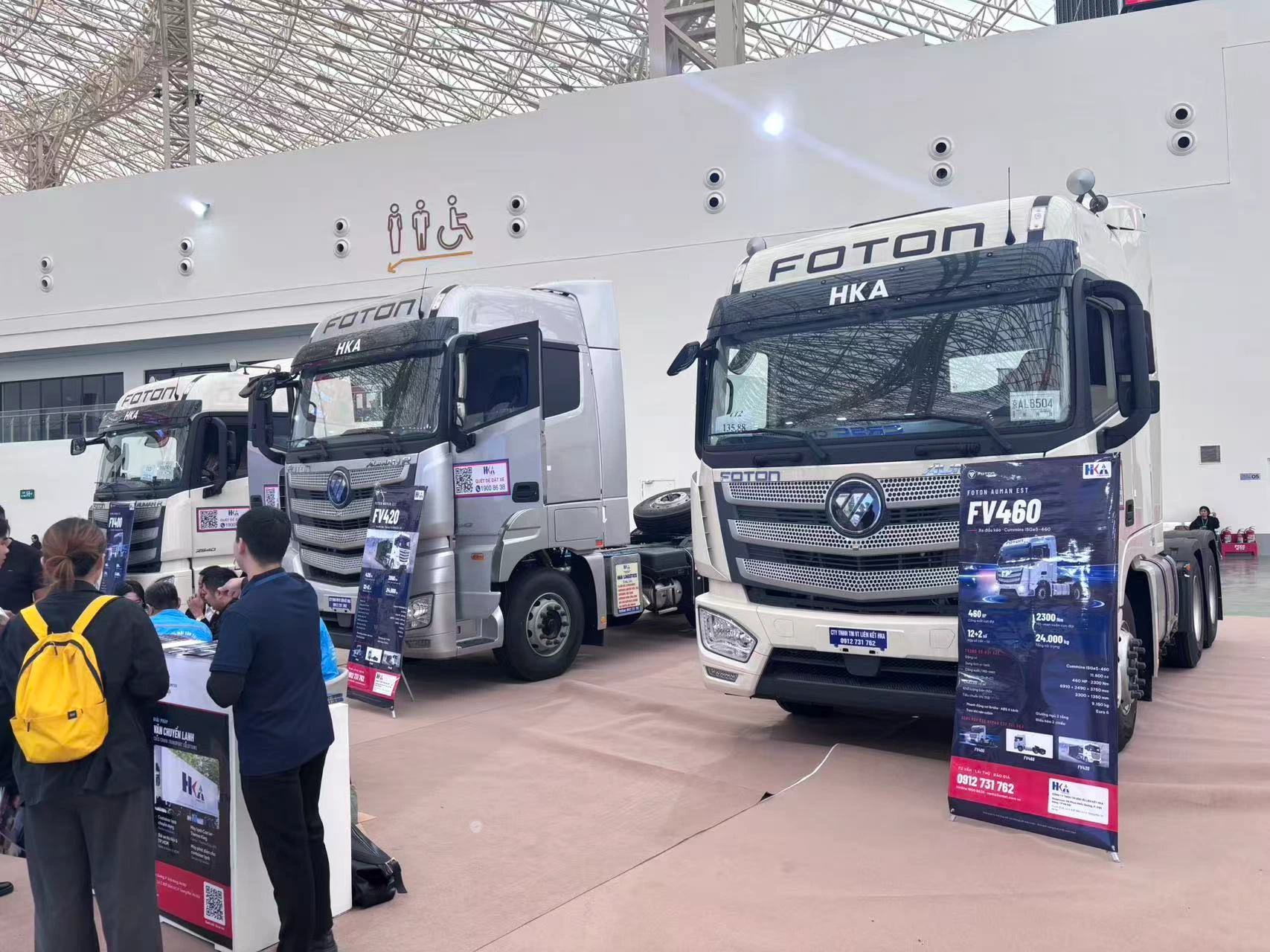
Used crawler excavators and truck cranes — the two categories that generated the most enquiries in Hanoi. Suggested alt text: "Used crawler excavators and truck cranes inspected for Vietnamese buyers, November 2026".What This Means If You Are Buying Used Construction Machinery in Vietnam
- Buy against your project phase, not the headline pipeline. Secure earthmoving machines early and lifting equipment before structures begin; crane prices and availability tighten as projects advance.
- Verify age and compliance before paying a deposit. Confirm the machine's year of manufacture, HS classification and required inspection certificates under the rules in force at the time of import.
- Insist on inspection evidence. Ask for a video walk-around, cold-start footage, undercarriage and hydraulic pump close-ups, and a written condition report. Our 10-step used excavator inspection guide sets out the checklist.
- Protect the payment. Use documented, traceable payment methods and verified seller profiles; see how to pay for a second-hand excavator overseas and the broader guide to buying used excavators from China.
- Plan for parts, not just the purchase. A slightly more expensive machine with wear parts stocked in Vietnam usually costs less over a season than the cheapest unit available.
Frequently Asked Questions
What is CONMAC Vietnam 2026 and where was it held?
CONMAC Vietnam 2026 is the international exhibition for construction machinery, mining machinery, commercial vehicles and spare parts, held from 11 to 13 November 2026 at the Vietnam Exhibition Center (VEC) in Dong Anh, Hanoi. It is organised under the Vietnam Ministry of Construction and its Information Centre and developed from the Vietbuild exhibition platform.
Was FairTradeMachinery present at CONMAC Vietnam 2026?
Yes. A FairTradeMachinery delegation attended CONMAC Vietnam 2026 in Hanoi at the organisers' invitation on 11–13 November 2026. The team held in-depth discussions with existing partners and Vietnamese dealers, platforms and rental companies, and collected a substantial number of new equipment enquiries. The visit formed part of a wider Vietnam market study conducted from 10 to 16 November 2026.
How large is Vietnam's construction equipment market?
Mordor Intelligence valued the Vietnam construction equipment market at USD 1.04 billion in 2026 and forecasts growth from USD 1.16 billion in 2027 to USD 2.00 billion by 2032, a compound annual growth rate of 11.47% over 2027–2032.
Why were Chinese and Vietnamese companies so prominent at the Hanoi show?
China supplies Vietnam with complete machines, components and competitively priced used equipment across a short cross-border logistics route, while Vietnamese contractors, dealers, rental fleets and industrial groups represent the demand side. Trade frameworks such as ACFTA and RCEP, plus road delivery through Guangxi border crossings, reinforce that supply chain.
Which used construction machines are most in demand in Vietnam in 2026?
Based on FairTradeMachinery's November 2026 meetings, demand concentrates on 20–35 tonne crawler excavators, 5–15 tonne wheel excavators for urban utility work, 25–50 tonne truck cranes, 50–150 tonne crawler cranes, wheel loaders, motor graders and road rollers. Typical ex-works budgets discussed were USD 15,000–60,000 per unit.
Can used construction machinery older than 10 years be imported into Vietnam?
Vietnam's Circular 56/2026/TT-BKHCN, effective 5 September 2026, sets a general age limit of no more than 10 years for used machinery under HS Chapters 84 and 85, together with QCVN safety, energy-efficiency and environmental requirements. A limited exemption exists for manufacturers already operating in Vietnam: machines above the age limit may be considered if remaining capacity is at least 85% of design and material or energy consumption does not exceed design levels by more than 15%, subject to an import permit and inspection. Buyers should confirm the applicable classification and certificates with a licensed customs broker before ordering.
What is the outlook for Vietnam's construction equipment market to 2030?
Demand is expected to shift from earthmoving toward piling, lifting, road and concrete equipment as expressway, railway, airport, metro and industrial-park projects move into structural phases. Vietnam targets 5,000 km of expressways by 2030, having connected more than 3,000 km by 2026. Rental fleets and used imports are likely to absorb a growing share of demand, although disbursement pace, land clearance, material costs and currency movements remain constraints.
How do I request a quote for used construction equipment after the show?
Send your required machine category, tonnage, year range, budget and destination port to FairTradeMachinery. The team provides verified inventory, inspection reports, video walk-arounds, a one-year warranty on core components and support with export documentation. Visit fairtrademachinery.com or contact the team on WhatsApp.
About FairTradeMachinery
FairTradeMachinery is a China-based global used construction machinery exchange connecting verified sellers with cross-border buyers through real-time inventory data, inspection reports and a transaction process designed for buyers who cannot always visit the yard in person. The platform lists excavators, wheel loaders, cranes, crushers, drill rigs and road equipment from leading Chinese, Japanese, Korean and European brands, and now serves buyers in more than 50 countries across Africa, Asia and the Middle East.
Sources and Editorial Notes
- Vietnam National Statistics Office (NSO), Report on socio-economic performance in the third quarter and the first nine months of 2026 (GDP, construction output, investment and FDI figures).
- Mordor Intelligence, Vietnam Construction Equipment Market — Share Analysis, Industry Trends & Growth Forecasts, published 2 November 2026 (market size and CAGR).
- Vietnam Ministry of Finance, reported by DTiNews, 8 July 2026 (public investment and high-speed rail disbursement).
- Hai Phong News, 2026 (expressway mileage, 2030 target, 234 key projects).
- Vietnam Ministry of Construction allocation and 2026 investment priorities, reported by Nhan Dan.
- HKTDC Research, Vietnam: Government Revises Regulations on Import of Used Machinery (Circular 56/2026/TT-BKHCN).
- CONMAC Vietnam 2026 organiser and exhibition agency listings (dates, venue, exhibition area and visitor estimates).
Editorial note: Market statistics are drawn from the publicly reported sources listed above and are attributed to their publishers; exhibition figures are pre-show estimates and may differ from audited post-show data. Observations about exhibitors, partner discussions and buying enquiries are first-hand reporting by the FairTradeMachinery delegation and are descriptive, not a claim of signed contracts or completed transactions. Regulatory information is summarised for general guidance and is not legal or customs advice. This article was reviewed by a senior equipment inspector and will be updated if official figures are revised.
Sourcing used construction equipment for Vietnam or the wider region?
Tell us the machine category, tonnage, year range, budget and destination port. We will send verified inventory, inspection reports and a quotation — including the documentation your customs broker will ask for.






 دردشة مباشرة على واتساب الآن


 FAQs
 WhatsApp