How to Choose a Used 20‑Ton Crawler Excavator for Road Construction Projects in Ghana
Quick Answer: For Ghanaian roadwork, choose a used 20‑ton crawler excavator with 19,500–22,000 kg operating weight, 4,000‑8,000 verified working hours, manufactured no earlier than 2016, documented engine and hydraulic pump inspection, and pre‑shipment GSA PVoC‑CoC certificate. Komatsu PC200‑8, CAT 320D, Hitachi ZX200‑5A and Sany SY205C deliver the best mix of price, high‑temperature tolerance and spare‑parts availability for projects around Accra, Kumasi and Takoradi.
Key Takeaways: • Landed cost: USD 34,000–65,000 vs USD 105,000‑135,000 for brand‑new 20‑ton excavator. • Mandatory: GSA PVoC Certificate of Conformity issued before shipment from origin country; maximum 10‑year manufacturing age limit for imported used heavy machinery. • Best parts support: Caterpillar and Komatsu in Accra, Kumasi; Sany aftermarket network expanding rapidly across southern Ghana. • Core inspection checklist: cold‑start engine test, hydraulic pump performance, swing bearing play, undercarriage wear percentage, boom‑stick welds, hour‑meter cross‑check, reinforced cooling system, chassis serial‑number matching. • Recommended models: Komatsu PC200‑8, CAT 320D, Hitachi ZX200‑5A, Sany SY205C.
What specs actually matter for roadwork in Ghana?
For Ghanaian road‑building projects, target operating weight of 19,500‑22,000 kg, engine power 110‑130 kW, bucket capacity 0.9‑1.1 m³, verified working hours 4,000‑8,000 h, manufacture year ≥2016, reinforced cooling package, air‑conditioned operator cab; dozer blade attachment is preferred for sub‑grade preparation.
Not every machine labelled “20‑ton excavator” fits local Ghana road conditions. Typical road‑site tasks include laterite excavation, drainage trenching, culvert installation, shoulder shaping and borrow‑pit loading. Machines operate long shifts under 32‑38 °C high heat, heavy dust from laterite soils, and variable‑quality local diesel fuel. Table 1 lists practical specification thresholds proven on Ghana domestic road‑construction sites.
Table 1. Recommended specification ranges for a used 20‑ton crawler excavator for Ghana road‑construction
表格
| Specification | Recommended range | Why it matters for Ghana roadwork |
|---|---|---|
| Operating weight | 19,500‑22,000 kg | Units below 19 t lack lifting capacity for culvert structures; above 22 t trigger higher low‑bed trailer permit & inland haul‑age cost across Ghana’s road network. |
| Engine power | 110‑130 kW | Delivers sufficient trenching & loading cycle speed while managing fuel consumption under local diesel quality constraints. |
| Bucket capacity | 0.9‑1.1 m³ | Optimized for loading laterite material onto 10‑14 t tipper trucks common on Ghana road sites. |
| Verified operating hours | 4,000‑8,000 h | Under 4,000 h commands large market premium; above 8,000 h raises risk of early hydraulic or major engine overhaul under heavy laterite‑site duty cycles. |
| Year of manufacture | 2016 or newer | Ghana GSA enforces a strict 10‑year maximum age for imported used heavy‑duty machinery calculated from manufacture date; units older than 2016 face import rejection at port. |
| Dozer blade | Preferred fit | Greatly accelerates back‑filling trenches and sub‑grade levelling without additional support equipment. |
| Air‑conditioned cab | Fitted | Operators productivity drops sharply above 32 °C; pressurized cab helps block harmattan fine dust intrusion. |
| Cooling system | Reinforced / recently serviced | Radiator clogging from red laterite dust is the top cause of unexpected over‑heating downtime on Ghanaian road projects. |
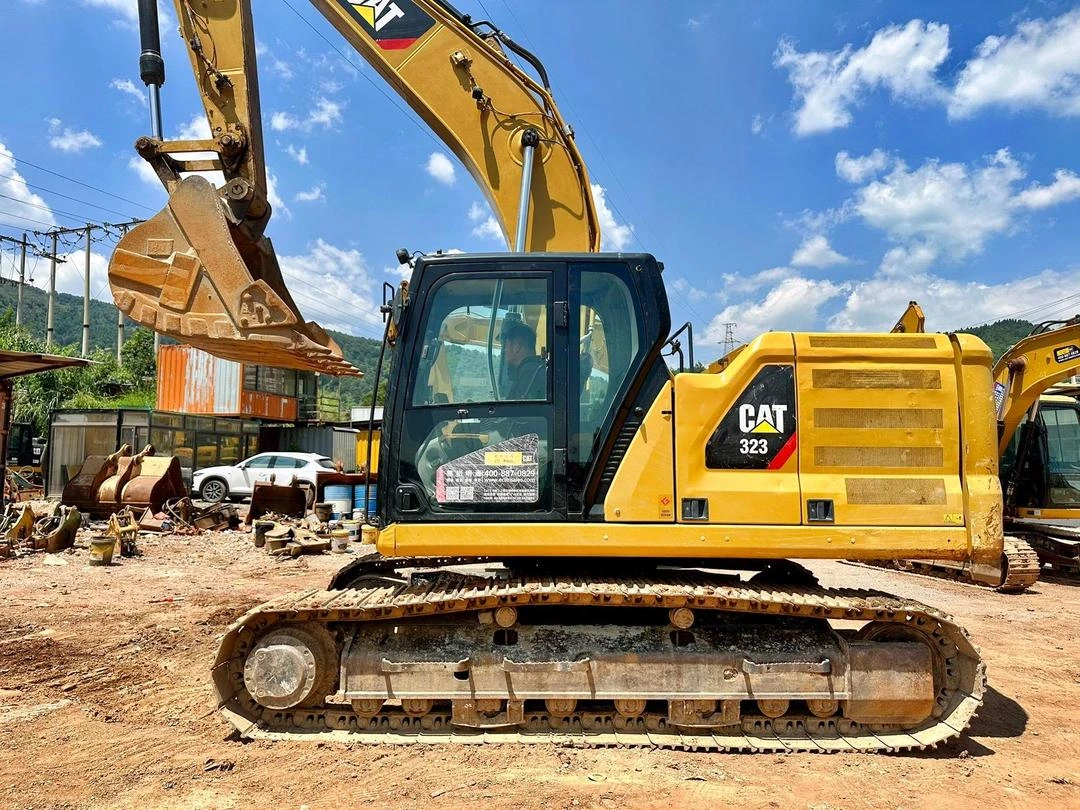
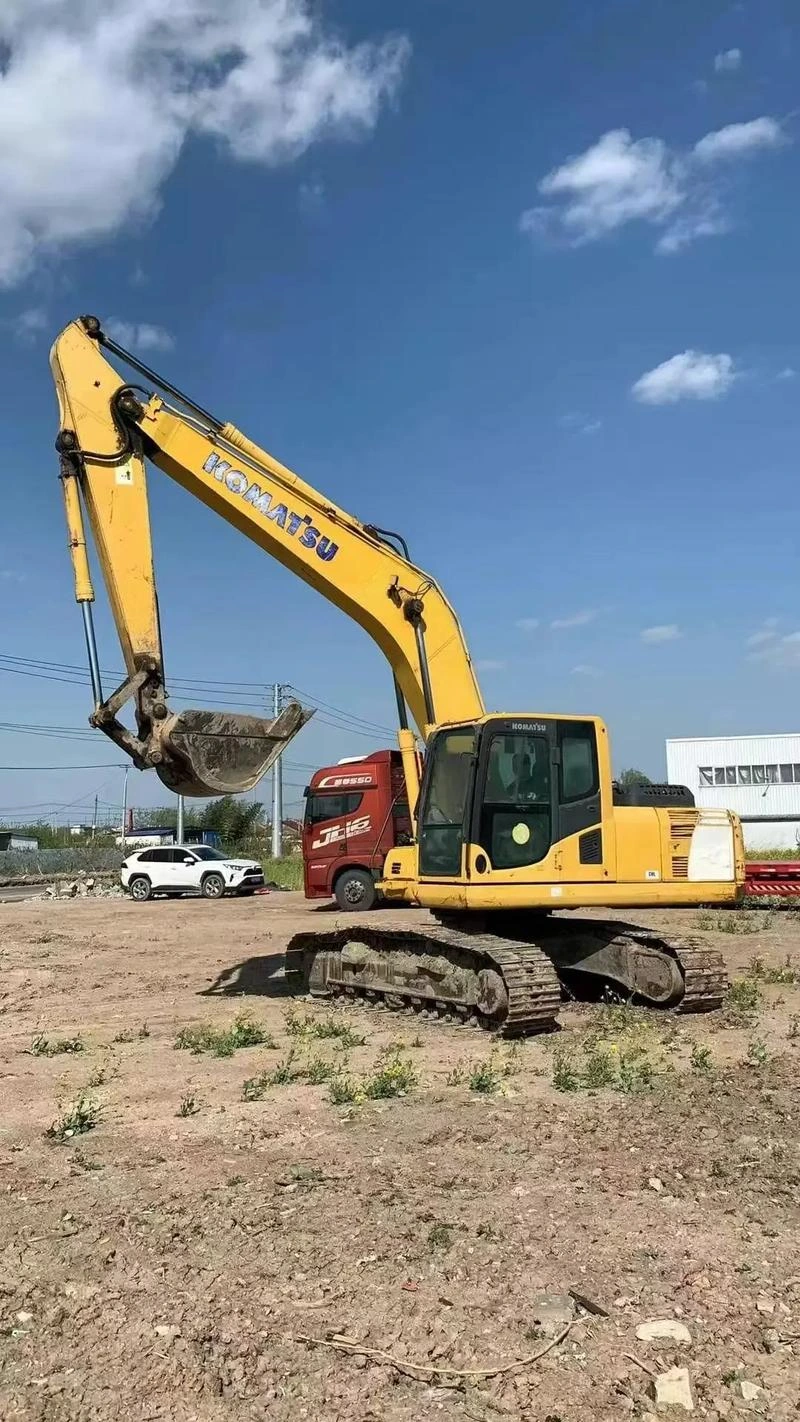
Within these criteria, the most field‑proven models for Ghana areKomatsu PC200‑8, CAT 320D, Hitachi ZX200‑5A and Sany SY205C. Caterpillar and Komatsu spare‑parts stock is widely accessible in Accra and Kumasi; Sany’s local service & component supply network keeps growing for price‑sensitive road contractors. You may view live inventory via machine‑detail pages for each model.
Which inspection points matter most before you buy?
Before shipment to Ghana, complete 8 core inspection items: cold‑start engine with ECU fault‑code readout, hydraulic main‑pump leakage & full cycle‑time testing, swing motor plus swing‑bearing free‑play measurement, percentage‑rated undercarriage wear inspection, boom & stick critical weld inspection, physical cross‑verification of hour‑meter reading, cooling‑system and air‑filter integrity, chassis serial‑number full match with contract and PVoC‑CoC application paperwork.
A clean‑looking second‑hand excavator in photos can hide up to USD 14,000 in unforeseen hydraulic and engine repair costs. These 8 inspection gateways separate reliable machines from cosmetically refurbished high‑risk units bound for Ghana:
- Engine: Obtain full cold‑start test video; run oil‑sample analysis or compression test; confirm zero active fault‑codes stored within ECU memory.
- Hydraulic main pump: Check case‑drain leakage and complete work‑cycle timing test. Replacement cost for a worn main pump ranges USD 7,500‑11,500.
- Swing motor & swing bearing: Execute full‑load 360‑degree slew rotation, check for abnormal noise, jerky response or excessive mechanical free‑play.
- Track & undercarriage: Measure remaining wear percentage. Full undercarriage overhaul cost runs USD 4,800‑7,800 for this machine class.
- Boom & stick welds: Look for poorly executed re‑welded cracks, typical for machines previously deployed for rock‑breaking demolition work.
- Hour‑meter authenticity: Cross‑check dashboard hour‑meter reading against physical wear level of joysticks, pedals and operator seat; rolled‑back hour‑meter is a frequent fraud risk for Africa‑bound second‑hand units.
- Cooling & air‑filtration system: Inspect radiator fin condition, seal integrity of air‑filter housing — critical against heavy laterite dust conditions across Ghana job‑sites.
- Serial‑number validation: Chassis plate serial number must exactly match purchase contract information and the data submitted for GSA PVoC‑CoC certification.
Refer to our detailed article for full step‑by‑step pre‑shipment inspection workflow. Every machine in our inventory ships with timestamped walk‑around video evidence covering hour‑meter display, cold engine startup, full slew travel and all cylinder movements, enabling condition validation prior to buyer payment.
What does the full cost and import process look like?
A well‑specified used 20‑ton crawler excavator (2016‑2020, 4,000‑8,000 verified hours) achieves total landed cost in Ghana of approximately USD 34,000‑65,000. Comparable brand‑new 20‑ton excavator landed price runs USD 105,000‑135,000, representing 38‑58% potential capital saving. The complete workflow spans machine selection in China all the way through inland delivery to Ghana road‑construction site, in six defined steps.
Machine purchase price forms only one component of total landed expenditure. Table 2 shows realistic 2026 cost ranges for shipping a used 20‑ton excavator from China to Ghana.
Table 2. Landed‑cost breakdown: used 20‑ton crawler excavator, China to Ghana (2026 indicative figures)
表格
| Cost item | Typical range (USD) | Notes |
|---|---|---|
| Machine FOB China (2016‑2020, 4,000‑8,000 h) | 23,000‑47,000 | Komatsu PC200‑8 / CAT320D / ZX200‑5A fall within band; Sany SY205C occupies lower price bracket. |
| Ocean freight, Shanghai to Tema / Takoradi port | 4,800‑7,000 | 40HQ container or flat‑rack solution; sailing transit 28‑34 days. |
| GSA PVoC‑CoC pre‑shipment conformity certificate | 600‑920 per unit | Mandatory; must be issued by GSA‑accredited third‑party lab before vessel departs China. Cannot obtain post‑arrival in‑Ghana. |
| Customs clearance: import permit, duty, VAT, terminal handling fees | 3,600‑7,200 | Calculated on customs valuation basis; import permit must be secured from Ghana MoTI prior to shipment. |
| Inland site delivery (Tema / Takoradi port to project location) | 450‑1,800 | Low‑bed trailer cost varies by distance; Takoradi strongly preferred for western‑region mining‑road projects. |
| Indicative total landed cost | 34,000‑65,000 | Compare against new‑unit landed cost USD 105,000‑135,000. |
Six‑step import workflow:
- Select target excavator and complete full pre‑shipment inspection within China yard.
- Sign formal sales contract, apply staged verifiable payment terms; read our overseas heavy‑equipment buying‑payment guide for reference.
- Secure Ghana MoTI import permit and obtain GSA PVoC‑CoC pre‑shipment certificate before vessel departure.
- Sea freight shipment to Tema Port (primary for Accra / Kumasi projects) or Takoradi Port (western‑region road‑mining sites).
- Complete customs clearance procedure using import permit, CoC and full commercial document set.
- Inland low‑bed truck delivery to your road‑construction worksite.
Full documentation and procedural details are covered inside our complete guide for buying used excavators direct from China.
What are the most common pitfalls — and who carries the risk boundary?
Five frequent risk‑points for Ghana‑bound used excavator imports: cosmetic repainting concealing structural & hydraulic defects; missing mandatory GSA PVoC‑CoC certification; full‑amount payment prior to machine inspection; mismatch between advertised unit and physically‑shipped machine; ambiguous risk‑allocation after goods arrive at Ghana port.
Risk‑division rule: Seller is accountable for pre‑shipment machine condition and all export‑origin documentation. Buyer is fully responsible for Ghana import permit application, import‑duty payment, local customs clearance and inland site delivery, unless formal DDP delivery‑duty‑paid contract is mutually executed.
- Cosmetic refurbishment hiding underlying wear: Fresh paint covers boom‑stick weld cracks and persistent hydraulic leaks. Risk mitigation: require complete chronological inspection video; arrange independent third‑party pre‑shipment verification.
- Missing mandatory GSA PVoC‑CoC certificate: Machines arriving at Tema / Takoradi without origin‑issued pre‑shipment CoC will face heavy fines, port demurrage accumulating daily, or even mandatory re‑export. Risk boundary: obtaining valid PVoC‑CoC is seller‑side obligation; reject any offer shifting this requirement onto the Ghana buyer.
- Full payment executed before inspection confirmation: Once funds are remitted without safeguards, recovery from cross‑border disputes becomes extremely difficult. Risk mitigation: adopt milestone‑based payment workflow e.g. 30 % deposit, balance payable only after satisfactory inspection report or upon receiving bill‑of‑lading copy.
- Advert‑to‑actual‑unit mismatch: Delivered excavator chassis serial‑number differs from machine originally evaluated. Risk mitigation: write exact chassis serial‑number into sales contract; serial‑number must identically appear on PVoC‑CoC application documents.
- Unclear post‑arrival responsibility allocation: Default commercial boundary: seller covers pre‑shipment mechanical condition plus export paperwork; import‑related costs & formalities belong to buyer, except DDP‑signed agreements.
Our inventory provides one‑year core‑component warranty covering engine, hydraulic main pump and swing motor for machines working within Ghana after delivery.
How we evaluated these machines
This buying guide draws from transaction & inspection datasets covering over 10,000 used heavy‑equipment units across multiple brands, including machines successfully delivered for Ghana road and infrastructure projects spanning 2024‑2026.
Model recommendations evaluate four weighted dimensions: spare‑parts stock availability across Accra, Kumasi and Takoradi; real‑world tolerance for high‑temperature, dusty laterite‑soil job‑sites and variable‑grade local diesel; proven uptime performance on Ghana domestic road‑building contracts; and secondary‑market resale value within Ghana.
Price quotations reflect Q3‑2026 FOB Shanghai offers plus real‑world ocean‑freight quotes. All import‑tax figures should be cross‑checked by buyers with licensed local Ghana clearing agents against latest Ghana Customs Service tariff schedules. Regulatory references for GSA PVoC‑CoC, import‑permit requirements were reviewed against Ghana Standards Authority & Ministry of Trade and Industry public guidelines, verified September 2026.
FAQ
How much is total landed cost of a used 20‑ton crawler excavator in Ghana?
A properly‑specified 2016‑2020 unit with 4,000‑8,000 verified working‑hours lands all‑in at roughly USD 34,000‑65,000. Comparable brand‑new 20‑ton excavator lands USD 105,000‑135,000.
Is there manufacturing‑year / age restriction for importing used excavators into Ghana?
Yes. Ghana Standards Authority (GSA) enforces a strict 10‑year maximum manufacture‑date age‑limit for imported used heavy machinery. Units manufactured earlier than 2016 are subject to import refusal at port. In addition, the mandatory pre‑shipment GSA PVoC‑CoC certificate applies regardless of machine age.
Which excavator brands offer best spare‑parts support inside Ghana?
Caterpillar and Komatsu maintain mature parts‑supply channels for Accra and Kumasi markets. Hitachi aftermarket service depends largely on independent local importers; Sany local dealer & spare‑part network has expanded significantly since 2024.
Can I import excavator to Ghana and apply for PVoC‑CoC certificate locally after vessel arrives?
No. GSA rules mandate PVoC‑CoC conformity certificate must be issued by GSA‑authorized third‑party bodies before shipment departs China. Post‑arrival issuance is not permitted; missing documents result in fines, demurrage or forced re‑export.
How long is typical sea‑shipping transit from Shanghai China to Ghana Tema port?
Standard ocean transit time Shanghai‑Tema is 28‑34 days sailing duration. Add extra 5‑10 days for port‑side customs‑clearance procedures, plus 1‑3 days inland low‑bed trailer haul‑age to final road‑construction site, subject to destination distance.
For cross‑brand comparative analysis for Africa construction‑site equipment, refer to our article Best Used Excavator Brands for African Construction in 2026. To check real‑time stock of 20‑ton‑class machines or request formal quotation including inspection video documentation, visit our contact page.
Sources: • Ghana Standards Authority (GSA): PVoC‑CoC pre‑shipment verification programme official documentation • Ghana Ministry of Trade and Industry (MoTI): second‑hand heavy‑machinery import‑permit rules • Ghana Ports & Harbours Authority: Tema & Takoradi port handling tariff schedules • Q3‑2026 freight‑rate quotations: Shanghai‑Tema / Takoradi trade‑lane (available upon request).
Cite this article: FairTradeMachinery. (2026). *How to Choose a Used 20‑Ton Crawler Excavator for Road Construction Projects in Ghana*. Retrieved from [/news/used](/news/used)‑20‑ton‑crawler‑excavator‑road‑construction‑projects‑in‑ghana.html
Published: October 22, 2026 · Last reviewed: October 9, 2026 · Author: [Beta Z], Senior Equipment Inspector, FairTradeMachinery
FairTradeMachinery
أنت تصمم الرؤية. نحن نتعامل مع الأجزاء الصعبة.
مساعدة المشترين العالميين على الوصول إلى آلات وحلول ما بعد البيع ذات قيمة أفضل.
بصفتنا منصة تبادل الآلات المستعملة الرائدة في الصين ، نحن نقع عند تقاطع تقنية إنترنت الأشياء والتجارة B2B. هذا يعني بيانات المخزون في الوقت الفعلي ، وملفات البائعين المعتمدين ، وعملية معاملات مصممة للمشترين عبر الحدود الذين لا يمكنهم دائمًا فحص الآلات شخصيًا. تجاوز مستخدمونا في الصين 1.5 مليون مما يعني أن لدينا المصدر الأول لأصحاب الحفارات والعدد المكافئ من الآلات. هذا يعني أننا يمكننا تغطية جميع الموديلات الشائعة وحتى الاحتياجات المحددة ، بغض النظر عن الحالة.






 دردشة مباشرة على واتساب الآن


 FAQs
 WhatsApp